
square makeup mirror with lights
Understanding Ring Gauges A Comprehensive Overview In the realms of mechanical engineering and manufacturing, precision is paramount. One of the essential tools that help achieve this precision is the ring gauge. Specifically, ring gauges are crucial in assessing the dimensions of cylindrical objects, such as shafts or holes, ensuring that they conform to specified tolerances. This article delves into the design, function, types, and applications of ring gauges, providing insights into their significance in various industries. What Are Ring Gauges? A ring gauge is a circular tool used to measure the external diameter of a workpiece or the internal diameter of a hole. Typically made of hardened steel, these gauges can withstand wear and provide high accuracy in measurement. The design of a ring gauge resembles a simple ring that can be fitted onto the part being measured. The key characteristic of this gauge is its ability to determine whether the dimension of the workpiece falls within the specified tolerance range. Types of Ring Gauges There are primarily two types of ring gauges go gauges and no-go gauges. 1. Go Gauges As the name implies, a go gauge is used to check if a workpiece is within the acceptable limits. If the workpiece fits onto the go gauge, it indicates that the part has passed the dimensional inspection. This type is critical for ensuring the part can fit with other components in an assembly. 2. No-Go Gauges In contrast, a no-go gauge is used to check the upper limit of a dimension. If the part fits onto the no-go gauge, it fails the inspection, indicating that it exceeds the maximum allowable size. This dual approach enables comprehensive assessment and ensures that workpieces maintain proper fitting and function in mechanical assemblies. Design Considerations The design of a ring gauge must consider various factors to ensure accuracy and usability. These include - Material Selection Typically constructed from high-grade tool steel, the material must exhibit excellent wear resistance while maintaining dimensional stability under varying temperatures . ring gauge - Calibration and Finish Surface finish and proper calibration are essential to achieve the required accuracy. Any imperfections or deviations can lead to incorrect measurements. - Tolerance Levels Ring gauges are manufactured to specific tolerance levels based on the requirements of the applications they serve. The tolerance dictates the permissible limits of size for the components being measured. Applications of Ring Gauges Ring gauges find extensive applications across various industries - Manufacturing In manufacturing settings, ring gauges are used to verify the dimensions of products being produced, ensuring they meet design specifications. - Automotive Industry For automotive components, such as engine parts and transmission systems, ring gauges help ensure that pieces fit together accurately, contributing to the overall functionality and safety of the vehicle. - Aerospace In the aerospace sector, where safety and reliability are critical, ring gauges are employed to inspect components that require the utmost precision. - Construction and Heavy Machinery Ring gauges also play a vital role in the construction industry, particularly for large machinery and equipment where precise component dimensions are crucial for operation. Conclusion Ring gauges are indispensable tools in ensuring dimensional accuracy in manufacturing. By employing go and no-go gauges, engineers and machinists can effectively manage tolerances and achieve the desired fit of components. As industries demand higher precision and quality, the role of ring gauges will only continue to grow, solidifying their status as a central tool in the manufacturing and engineering processes. Whether in automotive, aerospace, or other sectors, the importance of ring gauges in maintaining quality standards cannot be overstated. They embody the essence of precision engineering, facilitating the manufacturing of safe, reliable, and efficient products.
about
square makeup mirror with lights
Understanding Surface Plate Prices Factors Influencing Cost and Value When it comes to precision measurement and quality control in manufacturing and engineering industries, surface plates play a pivotal role. These flat, stable surfaces are used as a reference plane for various measuring and layout operations. However, their prices can vary significantly, depending on several factors. This article explores the elements that influence the pricing of surface plates and why investing in a quality product is essential for accuracy and efficiency. Types of Surface Plates Surface plates come in various types, materials, and sizes, each catering to different industrial needs. The most common materials include granite, cast iron, and ceramic. 1. Granite Surface Plates Known for their durability and stability, granite surface plates are the most popular choice among manufacturers. They are highly resistant to wear and deformation, making them ideal for precision measurements. Prices for granite plates can range widely based on the size and grade of the granite. 2. Cast Iron Surface Plates Generally less expensive than granite, cast iron surface plates are also common. They are heavy and can absorb vibrations, but they may be more prone to wear over time. They are often utilized in environments where extreme precision is not the highest priority. 3. Ceramic Surface Plates These plates offer a high degree of hardness and thermal stability. While they can be costlier than granite, they provide advantages in certain high-tech industries, particularly where temperature fluctuations are a concern. Factors Affecting Surface Plate Prices surface plate price 1. Material Quality The material used significantly impacts the surface plate’s price. Higher grades of granite, for instance, are more expensive due to their quality and the precision required in crafting them. The purity and the absence of imperfections in the material are crucial for ensuring that the plate maintains its flatness over time. 2. Manufacturing Precision The tolerance specifications of surface plates are another critical factor. Plates that are manufactured to tighter tolerances (i.e., aircraft-grade specifications) typically command higher prices. This level of precision is necessary in fields that demand rigorous adherence to measurement standards. 3. Size The dimensions of the surface plate also play a vital role in the pricing. Larger plates naturally cost more due to the increased material requirements and challenges in transportation and handling. 4. Finish and Features Additional features such as anti-wear coatings, embedded scales, or specialized finishes can raise the price. These enhancements can provide durability and capabilities that justify an increased investment, particularly in demanding environments. 5. Supplier and Brand Reputation Well-established suppliers with a reputation for quality and reliability may charge higher prices due to their brand equity. In contrast, lesser-known brands might offer competitive pricing but may not guarantee the same level of precision or durability. The Importance of Investing Wisely While it may be tempting to opt for the cheapest surface plate available, this can lead to long-term costs outweighing the initial savings. A poor-quality surface plate can result in inaccuracies in measurement, leading to defective products, wasted materials, and compromised safety. Investing in a high-quality surface plate can enhance efficiency and accuracy, ultimately saving money in the production process. In conclusion, understanding surface plate prices involves considering the type of plate, the materials used, size, and the precision required for specific applications. The investment in quality equipment is crucial for maintaining standards in measurement and achieving the desired outcomes in manufacturing and engineering. Therefore, while it’s essential to be mindful of budget constraints, prioritizing quality and precision will yield long-term benefits and reliability in operations.
-

High quality industrial productsagement

High quality industrial products
View Details -

Meet the diverse needs of customers

Meet the diverse needs of customers
View Details -

Strict quality control

Strict quality control
View Details -

Top raw materials

Top raw materials
View Details -

Trusted supplier

Trusted supplier
View Details
Our application


news and information
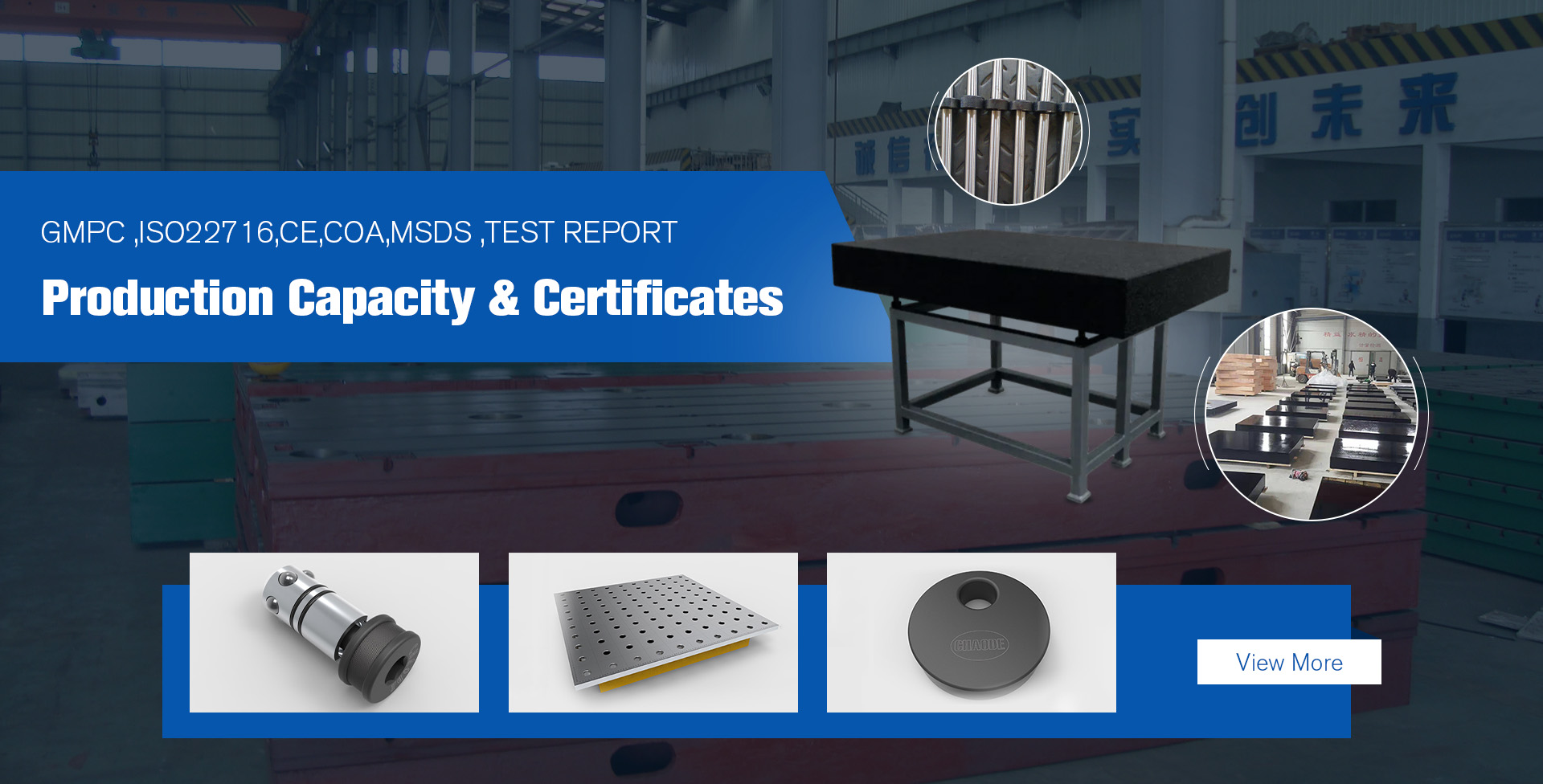
Versatile Clamps for Efficient Fabrication Table Solutions and Secure Workholding
fabrication table clamps .
Wskaźnik pierścienia gwintowego npt
Narzędzie pomiarowe Przyrząd do gwintów NPT - Przewodnik po użyciu i znaczeniu W świecie inżynierii

Welding Tables_ The Essential Tool for Precision and Durability
A welding table is a must-have for anyone involved in metalworking or fabrication. When it comes to
 English